A digital wallet was once no more than an electronic purse that stored card numbers. In 2025, it functions as an identity vault, a personal finance hub and a ticket to every corner of the cashless economy. Open the app and you can pay a bus fare, prove your age at a concert or split a restaurant bill, all in fewer taps than it takes to type a text message. Near-universal smartphone ownership and the relentless spread of e-commerce have accelerated adoption at breathtaking speed. Market researchers value the sector at USD 47.53 billion in 2024 and forecast USD 119 billion by 2029, a compound annual growth rate of 20.2 per cent. Those figures signal more than healthy returns; they show that millions now treat their phones as primary bank branches.
Cashless Economies and Explosive Growth
National data confirm the macro trend. In the United Kingdom, internet sales rose from 26.7 percent of total retail in 2022 to 29.6 percent in 2023. India processed 91.9 billion digital transactions during the 2022-23 fiscal year. In the United States, the share of adults using two or more forms of mobile payments climbed from 51 percent in 2021 to 62 percent in 2022. Each statistic tells the same story. Consumers prefer taps and scans to cash and cheques, while merchants welcome lower handling costs and higher conversion rates that follow one-click checkout.
Mobile First Financial Ecosystems
The most powerful wallets no longer compete on payment speed alone. They fold in utility bills, investment products and micro-insurance, turning the phone into a full command centre for money. This blurring of lines between banks, brokers, and budgeting coaches underpins the category's momentum. Analysts now argue that the phrase "digital wallet" undersells the ambition of the leading brands. They are comprehensive "digital life platforms" that mediate how users interact with shops, governments and one another. The result is a feedback loop: more services drive higher engagement, which generates richer data, which funds smarter features that, in turn, attract more users.
Global Leaderboard Snapshot
Five services tower over the rest of the field, each dominant in its own domain. Alipay leads with about 1.3 billion users, followed by WeChat Pay with roughly 935 million. Apple Pay serves around 650 million members of the iPhone tribe. PhonePe commands 600 million Indian registrations, and PayPal retains 432 million active accounts worldwide. This pattern looks like a barbell. Chinese heavyweights dominate their colossal domestic base, while smaller but globally significant specialists hold the other end. No single wallet rules the planet. Victory comes from crushing a specific region or platform niche, not from blanket conquest.
Fun Fact: The Instagram account "ConnellsChain" attracted 150,000 followers within a week, yet the WeChat Pay QR code for Beijing's subway logged more scans in its first hour on launch day.
Alipay: The Chinese Fintech Powerhouse
Alipay began life in 2004 as an escrow plug-in for Taobao, solving buyer–seller mistrust. Two decades later, the app links more than 1.3 billion users with 80 million merchants. Within one screen, citizens can settle utility bills, renew insurance policies, invest spare change through Yu'e Bao and secure instant credit with Huabei. Artificial-intelligence chatbots suggest savings tips, while face-recognition kiosks in Hangzhou cafés let customers pay by smiling at a camera. Internationally, the company has adopted a clever flank manoeuvre. Instead of courting Western shoppers directly, its Alipay Plus network lets tourists from 36 Asian wallets pay abroad in local stores. Chinese travellers visit Paris, scan, and funds flow invisibly through a settlement layer that retailers barely notice. Geopolitical frictions curtail deeper consumer expansion in the United States and Europe, yet turning a potential weakness into a merchant-centred strength is a masterclass in strategic adaptation.
WeChat Pay Social Commerce at Scale
WeChat Pay thrives because it lives inside the Tencent "super-app" that already dominates Chinese social life. Users send money in group chats, tip streamers during live broadcasts and scan QR codes at noodle stalls. Mini Programs—lightweight apps nested inside WeChat—mean customers can order food, book trains or buy cinema tickets without closing the main service. Adoption costs merchants almost nothing. A printed QR code taped to the till replaces card terminals. The result is near-total penetration, with about 935 million wallet users and a payment culture where cash feels archaic. Beyond China, growth follows the diaspora, reaching Malaysia and Indonesia, but replicating domestic scale overseas would require exporting the entire social ecosystem.
Apple Pay Hardware-Driven Defence
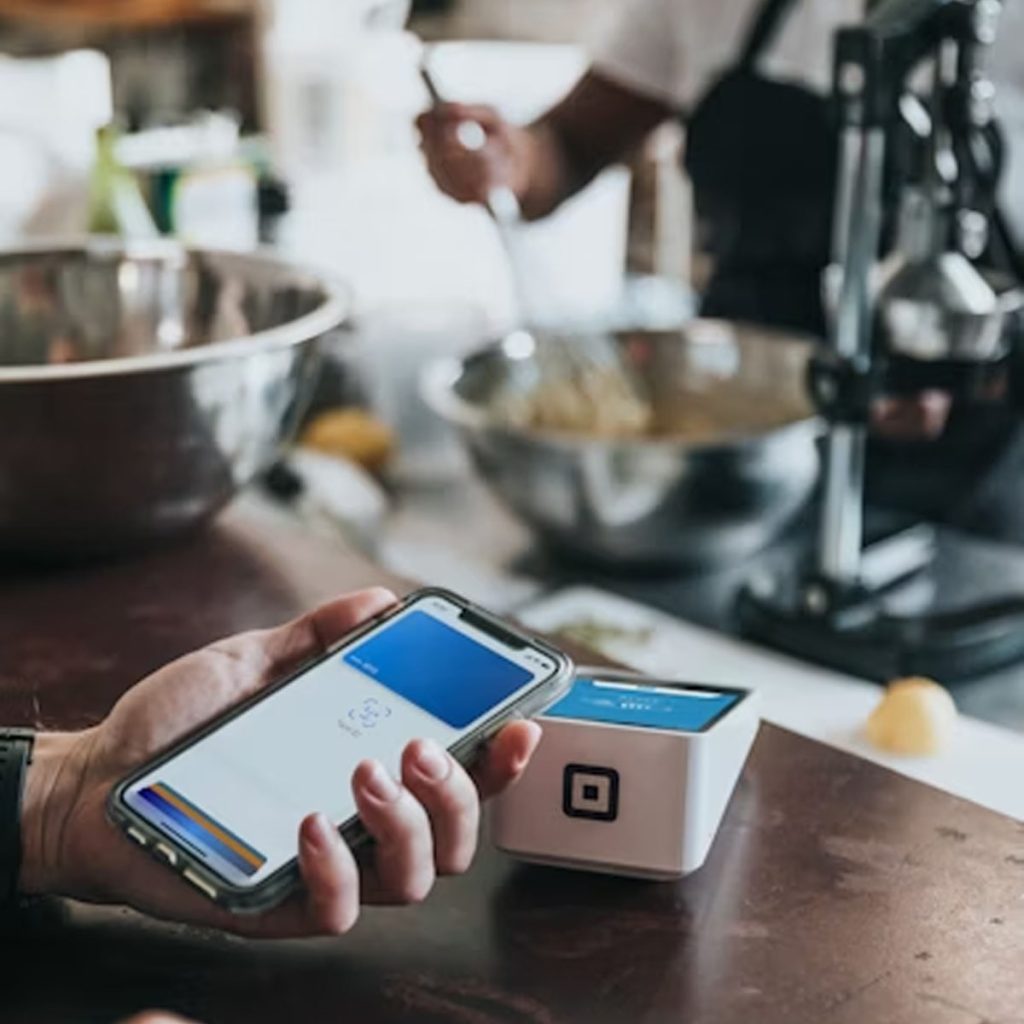
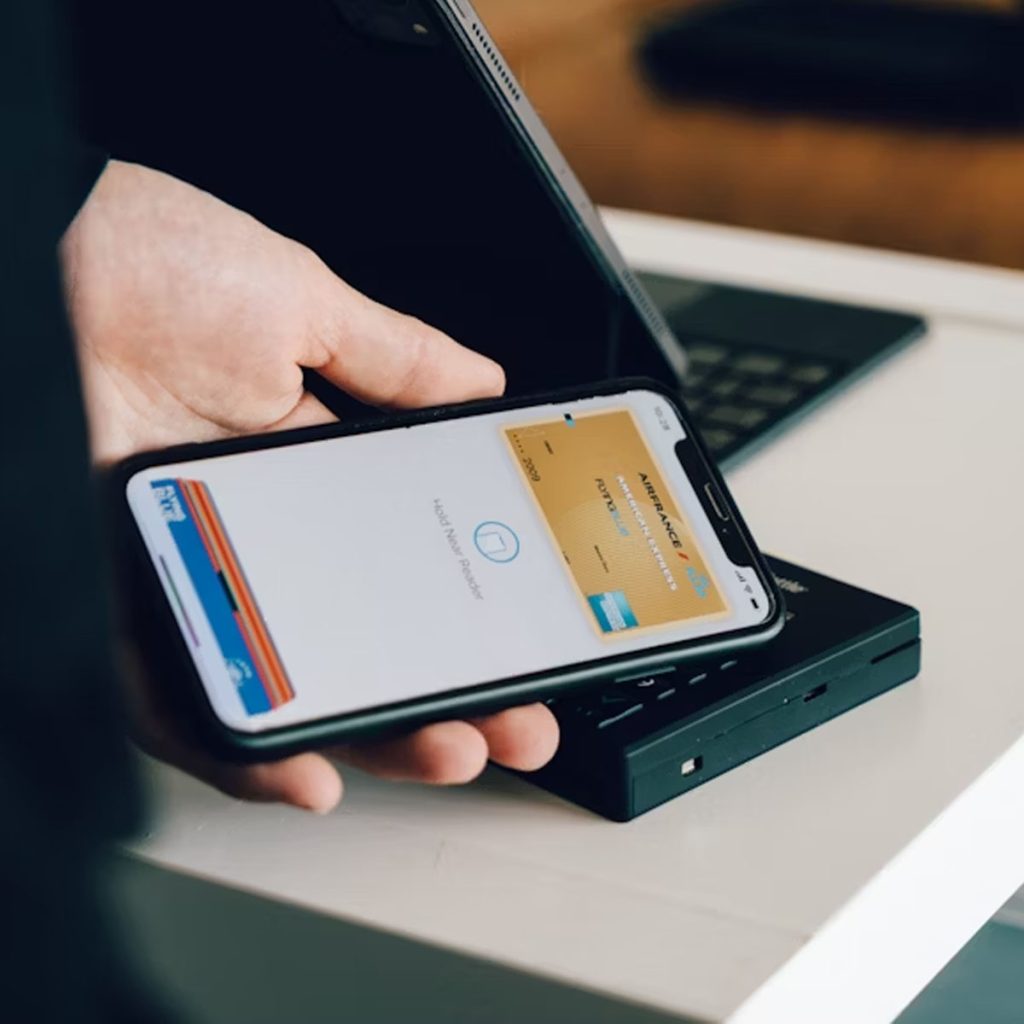
Apple embeds its wallet so deeply in iOS that it feels like a natural extension of the handset. Every tap on NFC-enabled terminals reinforces the allure of staying inside the hardware garden. Security is the main sales pitch. Card numbers are never stored, tokenisation hides credentials behind a unique device account number, and every purchase demands Face ID or Touch ID. Privacy by design means Apple does not build a behavioural spending profile. Availability in more than 90 countries and acceptance at 90 per cent of US retailers give Apple Pay a user base of roughly 650 million. The service earns modest fees, yet the bigger prize is obvious: more iPhone sales.
PhonePe India's Public Infrastructure Champion
PhonePe rides the open rails of India's Unified Payments Interface rather than building a private network. That decision unlocked scale at unprecedented speed. The wallet now supports 600 million sign-ups and processed 8.68 billion transactions worth ₹12.56 lakh crore in May 2025 alone. Market share hovers near 47 per cent of all UPI volume. Having conquered payments, PhonePe is adding stockbroking, mutual funds and insurance, along with a hyperlocal shopping service built on India's Open Network for Digital Commerce. This success story demonstrates how public digital infrastructure can catalyse private innovation when open standards invite competition.
PayPal: The Veteran Reinventing Itself
Founded in the first dot-com boom, PayPal still owns about 45 per cent of global online checkout. Branded payments generate 65 percent of their transaction gross profit,t even though they represent only 30 per cent of processed volume. Growth has slowed, so diversification is crucial. Venmo captures peer transfers for younger Americans, Xoom handles remittances and the Buy Now Pay Later product processed USD 33 billion in 2024. Crypto trading broadens appeal, though it remains a small slice. Competition from Alipay, WeChat Pay, Apple Pay, Stripe and Klarna is fierce. PayPal's challenge is knitting acquisitions into a seamless super-experience before rivals erode its trust premium.
The Four Pillars of Wallet Dominance
Successful platforms rest on four distinct foundations. Alipay and WeChat Pay control entire ecosystems where payments serve as connective tissue. PhonePe leverages state-built rails to scale cheaply. Apple Pay secures users with seamless contactless payments and industry-leading privacy. PayPal relies on brand trust and a vast merchant web. No single pillar guarantees victory across borders because each arises from unique market conditions.
Regulation: The Invisible Hand
Governments shape the arena more than any competitor. The European Union drives wallets toward verifiable identity by mandating eIDAS 2.0 compliance by 2027. India balances openness with new throttles to keep UPI resilient under surging load. China enforces "same business, same rules", so fintech giants follow bank-level capital requirements while piloting the e-CNY as a state alternative. In the United States, regulators watch Big Tech cautiously yet favour private competition over state protocols. Firms that misread policy tides risk expensive course corrections.
From Payments to Identity: The Next Frontier
Verifiable credentials and decentralised identifiers enable users to prove their age or qualifications without disclosing additional information. Brussels sees the phone as a future passport and driving licence. Apple already stores a handful of state IDs in Wallet, and Alipay's Zhima Credit produces contextual trust scores. As services demand stronger know-your-customer checks, the wallet will shift from a spending tool to a core proof of personhood. Whoever masters privacy-preserving identity first gains a moat deeper than any loyalty programme.
Conclusion: Navigating a World of Wallets
The leading wallets of 2025 illustrate that domination is local, contextual and hard-won. Chinese super-apps weave finance into daily chat. Apple turns privacy into a premium selling point. PhonePe shows how public pipes foster private growth. PayPal proves that an early mover with trusted branding can endure yet must evolve to stay ahead. For consumers, the best choice is the one that already lives where they spend their time. For developers and merchants, success lies in building atop the most relevant platform rather than fighting it. For regulators, the task is balancing innovation with security. One certainty endures: the future of money fits in the palm of your hand.
Continue Reading
All articles →Newsletter
Stay updated on Digital News