Dawn breaks over the Mendip Hills, and an unassuming dairy farm becomes the beating heart of contemporary culture. Glastonbury is never just a music festival; it is a living statement of what Britain values at any given moment. The 2025 edition feels larger than life because the organisers have confirmed that 2026 will be a fallow year. The hiatus amplifies every note that will ring out across Somerset this June. Fans who secured Glastonbury tickets in the November scramble know they are guardians of a two-year pause in tradition and that knowledge colours every plan they make, from choosing campsites to studying set times by torchlight.
Attending Glastonbury is also an act of endurance. The festival welcomes roughly 210,000 people, yet sells out in minutes. This year, the main sale closed on 17 November 2024; coach packages vanished even faster on the 14th. Tickets cost £373.50 plus a modest booking fee, but the real currency is patience. Pre-registration, strict photo identification, and a no-transfer policy make touting almost impossible. A festival resale takes place each spring, but 2024 produced the lowest number of returned passes on record. That statistic underlines the status of 2025: nobody is letting go of their place.
A Pilgrimage with History at Its Core
The story began in 1970 when Michael Eavis invited 1,500 people to Pilton Festival for £1 each and threw in free milk. By 1971 the event had grown into the Glastonbury Fayre, complete with the first Pyramid Stage built out of scaffolding and sheet metal. Five decades later, that stage remains the physical and emotional centre of the site, but the ethos has matured rather than faded. In the 1980s, the festival joined forces with the Campaign for Nuclear Disarmament, embedding activism into its DNA. Today partnerships with Oxfam, Greenpeace, and WaterAid channel millions of pounds toward global causes, keeping Glastonbury's conscience alive.
Every edition layers new memories on the old. Oasis shattered the Other Stage in 1994 and soared. Beyoncé changed opinions on pop headliners in 2011. Stormzy's 2019 performance redefined what British rap can achieve on a field in Somerset. This year's bill is curated to acknowledge that lineage while refusing to rest on nostalgia. The result is a programme that feels both classic and combustive.
Fun Fact: Worthy Farm is still a fully working dairy operation. During the festival, cows are temporarily re-homed to nearby fields and continue to produce milk that supplies local cheese makers.
Securing Your Place Among Two Hundred Thousand
First-timers often picture one gigantic arena; regulars know Glastonbury is a city of districts. The Green Fields offer meditation and renewable-energy workshops, while Silver Hayes pushes late-night electronic basslines until 3 am. Newcomers should resist over-planning. Veteran advice is to anchor two must-see performances per day, then roam. That flexibility allows space for surprise, whether it is a pop-up set from a cult band in Williams Green or a spoken-word masterclass in the Left Field tent.
Economic reality looms large, yet the festival tries to soften the blow. All staff, from litter pickers to stagehands, receive fair wages above the statutory minimum. In addition, organisers cap food prices and mandate water stations across the 900-acre site. Such measures preserve accessibility and uphold the communal spirit that has defined the event since the hippie era.
Headliner Spotlight: The Pyramid Stage, the Holy Trinity
The 1975 — Friday 22:15 – 23:45
Manchester's The 1975 ascend to the summits of Pyramid Stage history by treating their slot not as a gig but as performance art. Matty Healy has promised this will be the band's only live appearance of 2025. Rehearsal rumours point to a two-storey set that mimics a suburban house, complete with moving walls and an LED sky. The concept reflects themes explored on their most recent album, Being Funny in a Foreign Language, a collection that blended synth-pop gloss with sharp social commentary. Expect self-referential monologues between tracks, meta jokes about celebrity culture, and a theatrical finale that blurs the line between satire and sincerity.
Neil Young and The Chrome Hearts — Saturday 22:00 – 23:45
Neil Young, aged 79, steps back onto the Pyramid determined to prove that conviction carries more weight than pyrotechnics. Days after confirming the booking, he threatened to pull out over concerns about corporate influence at the BBC. He later accepted reassurances, but his scepticism lingers. Fans may therefore experience a rare partial broadcast, echoing 2009 when television viewers received only five songs. Young's setlist on recent European dates has leaned heavily on protest anthems such as “Rockin' in the Free World”, giving his appearance fresh political bite during a British election year. Backed by The Chrome Hearts, a cross-generational ensemble featuring members of Promise of the Real and veteran keyboardist Spooner Oldham, he will deliver a masterclass in principled rock performance.
Olivia Rodrigo — Sunday 21:45 – 23:15
To some traditionalists, the decision to anoint a 22-year-old pop star as the closing performer feels risky. In reality, it mirrors the festival's long-term survival instincts. Just as Jay-Z silenced critics in 2008, Rodrigo arrives intent on redefining expectations. Her albums SOUR and GUTS have sold millions by fusing confessional lyrics with pop-punk grit that resonates across generations. On the Other Stage in 2022, she stunned crowds by inviting Lily Allen to protest the overturning of Roe v Wade. That moment signalled her willingness to use the platform for political expression. Her 2025 appearance is therefore more than a victory lap; it is a baton pass to a future audience that consumes music across TikTok, vinyl, and everything in between.
The Legends Slot: A Sunday Tradition
At 15:45 on Sunday, the festival pauses for communal karaoke. Sir Rod Stewart becomes the first artist to both headline and fill the “Legends” slot. Stewart is paying out of pocket to fly his big-band production from Las Vegas to Somerset because the honour outweighs the cost. His show is scheduled for 90 minutes rather than the usual 75, cramming classics such as “Maggie May” and “Sailing” into an uplifting afternoon sing-along. The Legends slot began as a curiosity but has evolved into an institution that unites fans across age groups. Stewart's commitment confirms its pull and preserves its atmosphere of joyous nostalgia in a weekend otherwise defined by discovery.
Beyond the Pyramid: Three Essential Destinations
The Other Stage Alternative Anthems at Scale
Often mistaken for a second-place podium, the Other Stage is a headline arena by any reasonable metric. This year it showcases Loyle Carner's reflective hip-hop opposite The 1975, Charli XCX's hyper-pop explosion against Neil Young, and an emotional return from The Prodigy on Sunday night. That scheduling is strategic, splitting crowds and ensuring each set benefits from space to breathe. Lower down the bill, fans can catch Wet Leg, Deftones, and Weezer in rapid succession, confirming the festival's renewed affection for guitar grit.
West Holts Global Groove and Critical Buzz
If the Pyramid is heritage and the Other Stage is indie royalty, West Holts embodies credibility. Curators have handed top billing to US rapper Doechii, UK electronica duo Maribou State, and techno innovators Overmono. Underneath sit Ezra Collective, Yussef Dayes, and Irish rap activists Kneecap, whose bilingual rhymes have already provoked parliamentary debate. A set at West Holts signifies artistic momentum, making it compulsory viewing for industry watchers.
Woodsies and The Park Indie Innovation Hubs
Woodsies, once the John Peel Stage, leans into comebacks. Scissor Sisters reunite after fifteen years away, certain to spark mass sing-alongs of “Take Your Mama.” Four Tet's late-night electronic ritual will carry on until the small hours, while Jorja Smith supplies soulful depth on Sunday. Over the hill, The Park hosts The Maccabees' emotional return and the haunting voice of ANOHNI. Both venues reward curiosity; wander in and you may witness the next Mercury Prize winner.
Secrets, Surprises, and the Patchwork Puzzle
No Glastonbury preview is complete without decoding the hidden slots. The most tantalising mystery is a Saturday evening booking credited to “Patchwork.” Fan forums buzz with theories. Pulp top the shortlist because 2025 marks thirty years since their lightning-in-a-bottle stand-in performance for The Stone Roses. Other contenders include Lana Del Rey, fresh from a sold-out UK tour, and Lewis Capaldi, whose management is reportedly keen to stage a televised comeback. Whatever unfolds, the secrecy itself creates viral anticipation that mainstream marketing budgets can only envy.
Smaller letters on the poster carry their own suspense. A 35-minute space on the Pyramid at 16:55 Friday screams “special guest.” The Park lists a mysterious Saturday dinner-time set. Past precedence suggests everyone from The Killers to Radiohead could appear with zero warning. In practical terms, fans hoping to catch a secret gig should linger near those stages and follow a simple rule: if an unbranded drum kit rolls out under a tarp, stay put.
Mapping the Soundscape – Genre by Genre
Glastonbury's booking policy reflects Britain's musical appetite in microcosm. Rock and punk have experienced a resurgence, as evidenced by artists such as Deftones, Turnstile, and Bob Vylan. Electronic music remains woven into the site's fabric through Four Tet, Fatboy Slim, and the mechanised theatre of Arcadia, now featuring a repurposed Royal Navy helicopter dubbed The Dragonfly. Hip-hop is broad rather than monolithic: Loyle Carner's soulful introspection contrasts with Denzel Curry's raw edge and Kneecap's incendiary satire. Meanwhile, pop occupies a vast spectrum, from the stadium muscle of **Alanis Morissette—newly confirmed for a sunset Pyramid Stage set at 18:15 on Friday, marking her first-ever Glastonbury appearance—**to the minimalist R&B of PinkPantheress.
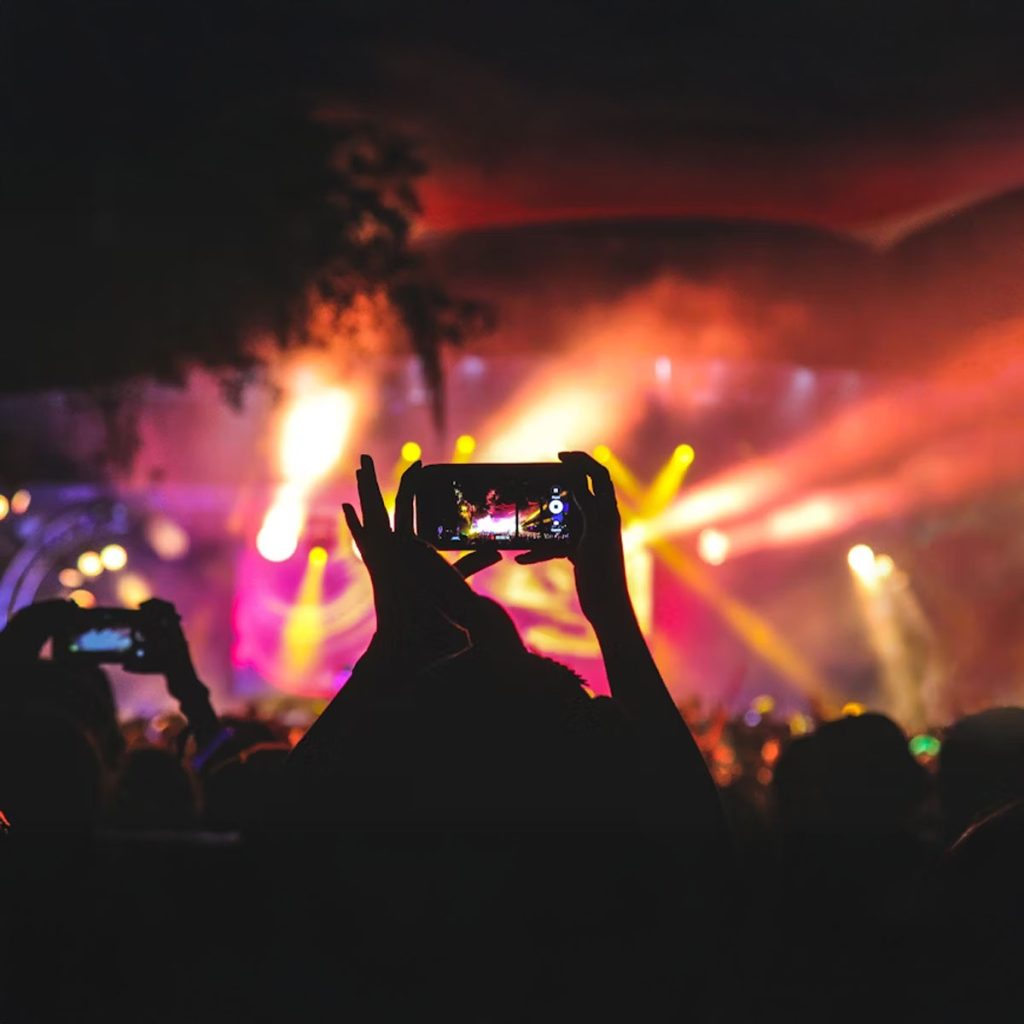
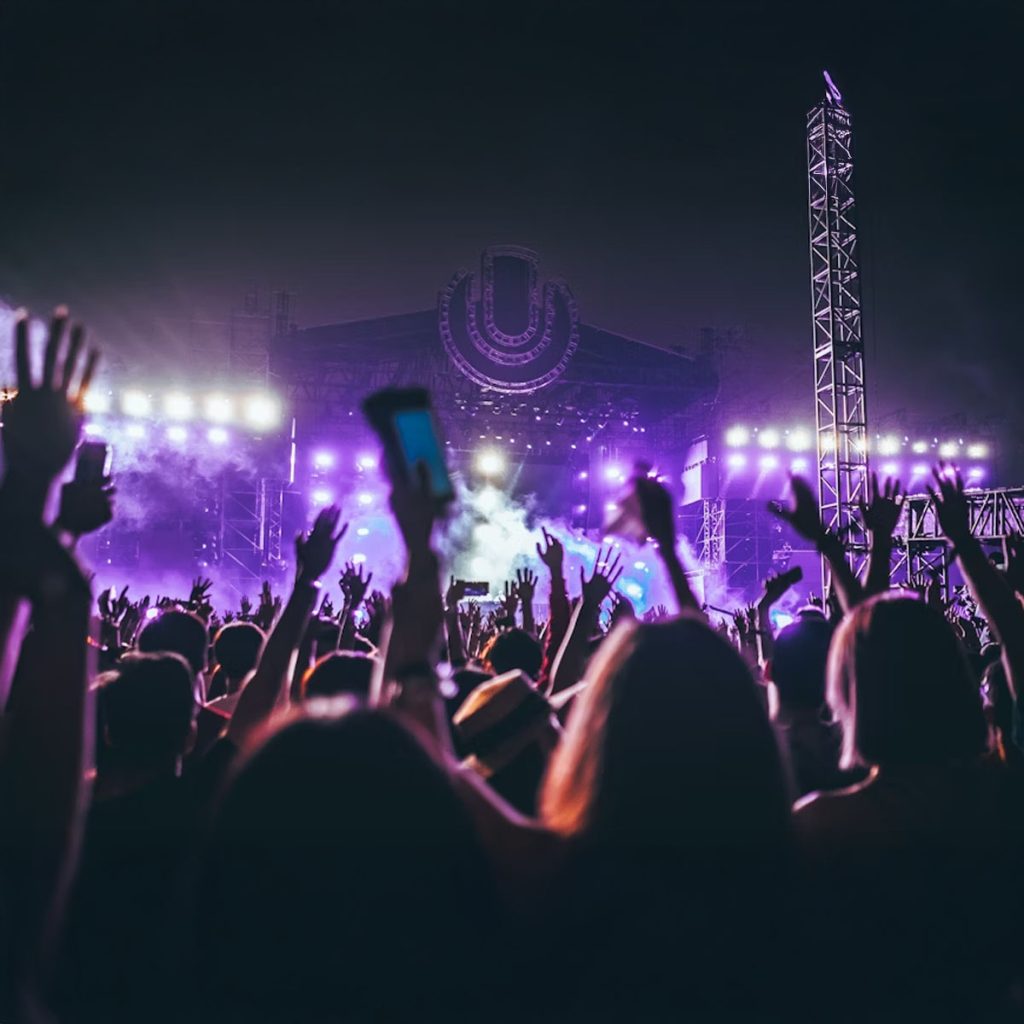
Those contrasts breed painful timetable clashes yet protect the festival's ecosystem. When Neil Young strikes his first chord, Charli XCX drops rave sirens on the Other Stage and Doechii electrifies West Holts, each drawing different crowds from one another. The diversity is not chaos; it is crowd management disguised as abundance.
The Undercard Five Future Classics
- Worthy Farm will shake when Belfast trio Kneecap deliver bilingual bars that blend humour with political grit.
- Amyl and the Sniffers ignite the Other Stage on Saturday with garage-punk ferocity and a lead singer who treats security barriers like trampolines.
- Country-trap star Shaboozey rides Beyoncé-fuelled momentum into a Sunday afternoon slot destined for viral clips.
- Doechii's headline turn at West Holts promises choreographed theatre and genre-bending hooks that could echo across the site by dawn.
- English Teacher, fresh winners of the Mercury Prize, play The Park on Friday evening and might never play a tent that small again.
Political Heart and After-Hours Soul
Glastonbury's cultural standing rests on more than music. Left Field continues to host daily discussions on workers' rights, climate policy, and creative freedom. That commitment connects directly to the festival's CND heritage. By night the conversation shifts from debate to immersive spectacle. In Arcadia, the Dragonfly breathes renewable-powered flames over sixty-foot crowds, transforming a tool of war into communal art. Shangri-La, operating under the theme “The Wilding,” rejects algorithmic culture and invites participants to lose their phones as well as their inhibitions. Together, these spaces extend the festival's message long after midnight.
How to Beat the Ticket Odds Next Time
Even if you missed out this year, there are smart steps to improve your chances when Glastonbury tickets return in 2027. Register early and use a broadband connection rather than mobile data. Join a trustworthy group of friends so that multiple devices can enter the sale simultaneously. Keep payment details saved in your browser and resist the urge to refresh once you reach the “holding page”. If the first sale fails, aim for the smaller resale in April. It lasts minutes, yet success rates improve when you target coach packages, as more buyers drop them during the payment window.
Packing with Purpose: Sustainability Meets Comfort
Glastonbury's site is vast, so pack light and pack right. Essential items include:
- Reusable stainless-steel water bottle
- Foldable wagon or robust rucksack
- Waterproof, breathable jacket
- Solar power bank
- Sturdy walking boots
- Earplugs for sleep
Leave disposable plastics, glitter, and single-use wipes at home. The festival operates a leave-no-trace policy and routinely fines traders who flout recycling rules. Over one hundred water points dot the site, so bottled water is unnecessary.
Survival Tactics for Timetable Clashes
The itch to sprint between stages leads to fatigue and heartbreak. Instead, plan “anchor sets” and stick to the one-mile radius around them. If two must-see artists clash, weigh up broadcast options. The BBC streams every Pyramid performance and most Other Stage shows on iPlayer, so you can often catch missed highlights later. By contrast, secret gigs in The Park or Woodsies go unfilmed and unreleased. Experienced attendees choose intimacy over scale for that reason.
Late-Night Adventures Beyond the Main Music
Arcadia – The Dragonfly in Detail
The new centrepiece is built from an out-of-service Navy helicopter. Forty tonnes of material have been up-cycled, and the engine housing now emits choreographed jets of flame. Shows run from midnight until three, featuring drum-and-bass, techno, and a closing ambient segment that synchronises lighting with heart-rate data collected from volunteers.
Shangri-La – The Wilding
Art installations encourage analogue play. One field hosts giant wooden dominoes, another displays protest banners sewn onsite by the charity Art in Action. DJs spin vinyl only. Phone-camera use is frowned upon, and stewards may politely place a sticker over lenses to maintain the moment.
| Stall | Location | Speciality | Price Range |
| Anna Mae’s Mac N Cheese | West Holts path | Truffle mac | £9 – £12 |
| The Cheese Truck | The Park Hill | Raclette fries | £8 – £11 |
| Club Mexicana | Silver Hayes | Vegan tacos | £6 – £10 |
| Humble Crumble | Green Futures | Fruit crumble bowls | £7 – £9 |
Vendors sign pledges to source local produce where possible and divert all organic waste to Worthy Farm's own compost heap. Bring a reusable container and most stalls will knock fifty pence off the bill.
Hidden Corners That Define the Festival
- Strummerville: A fire-lit camp celebrating the spirit of Joe Strummer. Acoustic sing-alongs roll on until sunrise.
- Cineramageddon: A drive-in cinema with vintage cars for seats, curated by director Julien Temple. Headphones supplied at entry.
- The Rabbit Hole: Reachable only via a slope behind The Park. Inside lies a kaleidoscopic micro-club where celebrities often DJ unannounced.
- Pilton Palais: The quietest bar on site, tucked behind the Acoustic Stage, serving local ales without queue drama.
Health and Safety in a City of 210,000
Medical staff treat everything from dehydration to broken ankles. Locate the two main hospitals early; one sits near the Pyramid, the other near Green Fields. Free earplugs are available at every information booth. If storms roll in, avoid sitting under flags or scaffolding. During heatwaves, stewards hand out sunscreen at key intersections.
The Money Question: Cashless Yet Still Cash-Friendly
Contactless is accepted at every official bar and the majority of stalls. However, power cuts do happen. Carry a small float of notes for emergencies such as a dead battery or a terminal outage. Cash machines stand beside Worthy View campsite but attract queues. Withdraw funds before arrival to avoid missing a set.
Why the Festival Still Leads the Pack
Glastonbury's continued dominance rests on three pillars. First, it balances nostalgia with progression: Neil Young and Olivia Rodrigo appear on the same poster. Second, it remains true to activism, raising millions for Oxfam, Greenpeace, and WaterAid. Ultimately, it views spectacle as a tool rather than an end in itself. From the fire-breathing Dragonfly to tiny poetry tents, every element serves the shared narrative of community.
Glastonbury festival therefore, acts as Britain's annual culture audit. Musical trends, political tensions, and technological shifts converge in five compressed days, then ripple outward through media coverage and social feeds.
Looking Ahead: The Fallow Year and Beyond
A planned 2026 pause protects the land and the villagers who host this temporary metropolis. For fans, the break magnifies anticipation and provides space for reflection. Change is inevitable. When the gates open again, streaming algorithms will favour new genres, and headline contenders will shift. Yet the site layout, the Pyramid silhouette, and the ethos of openness will endure. Organiser Emily Eavis has hinted at infrastructure improvements during the hiatus, including wider walkways and expanded compost-toilet zones. Those tweaks underscore a constant lesson: Glastonbury never stands still, even when resting.
Final Thought: A Call to Experience
Whether you hold a coveted wristband or plan to watch from a sofa, Glastonbury 2025 offers a real-time snapshot of music's evolving future. Embrace the clashes, accept the mud, and share your water with a stranger. In a world fracturing into personalised feeds, the festival remains one of the few places where 200,000 people truly gather for a single story. That collective pulse is the headline worth chasing.
Continue Reading
All articles →Newsletter
Stay updated on Digital News