A two-year surge in Monopoly GO! revenue has turned the Tycoon Club from a loyalty wrapper into the keystone of a high-yield direct-to-consumer sales model. It converts attention into spend, steers purchases to a web store that avoids platform commissions, and builds persistent habits through points, passes, and time-limited rewards. Evidence from consumer complaints and technical scrutiny indicates patterns consistent with aggressive in-app purchases, deterministic outcomes that feel unlike chance, and limited redress when things fail. The feature currently sits outside the Gambling Act 2005 but faces exposure under Advertising Standards Authority rules and wider consumer law. The money and influence reach beyond one studio. The owner of Scopely is Savvy Games Group, a subsidiary of Saudi Arabia's Public Investment Fund, placing a state-backed investor at the apex of the cash flow.
Defining the phenomenon
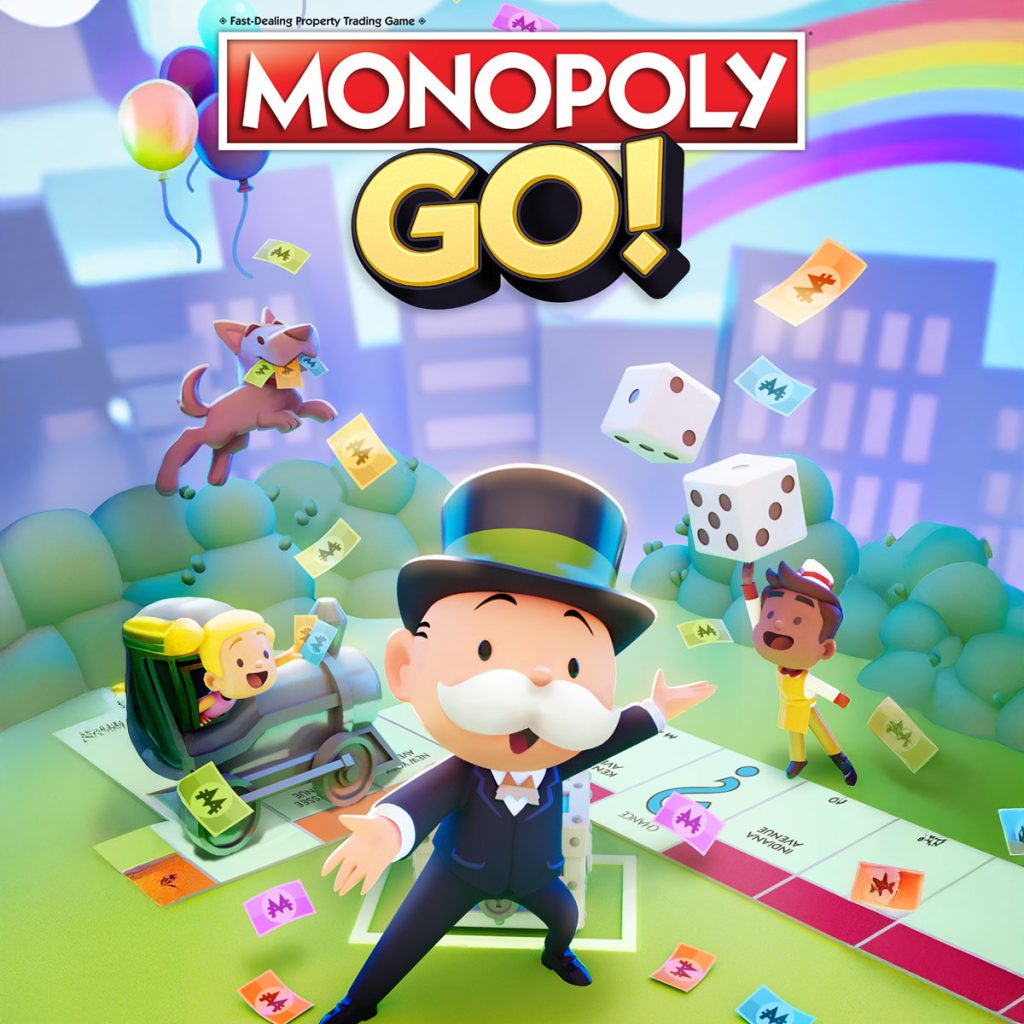
Launched on 11 April 2023, Monopoly GO! amassed more than 150 million installs and passed $5 billion in gross revenue within 2 years. Forecasts place mobile games at roughly $135 billion in 2025, with growth projected at above 11% CAGR. Within that expanding market, the Tycoon Club acts as the game's economic engine rather than a cosmetic extra. It packages exclusive items, persistent reward tracks, and purchase-only perks to increase spend while presenting itself as a loyalty benefit.
Fun fact: Monopoly's roots trace to Lizzie Magie's The Landlord's Game, patented in 1904 to illustrate the social costs of land monopolies.
Why this matters for public interest
Scale. Billions of dollars flow from small individual purchases into a system owned by a publisher controlled by a sovereign wealth fund.
Consumer impact. Thousands of posts and formal complaints describe aggressive selling, perceived manipulation, and weak support.
Regulatory gaps. The psychology mirrors gambling, yet paid random rewards remain outside statutory gambling definitions in the UK because prizes lack official monetary worth. Marketing and data use raise exposure under ASA and Competition and Markets Authority norms.
Economic influence. The game's success advances a national strategy to expand a domestic games sector and soft power footprint.
How the Tycoon Club converts attention into spend
The club binds real money to in-game progress through a two-tier currency, a web store with better value web-exclusive bundles, and seasonal passes tied to spending. The structure produces an efficient cycle. Money buys points. Points unlock time-gated rewards. Rewards are mostly consumables that deplete, restoring scarcity and encouraging the next purchase.
The dual currency and loyalty points mechanism
The free-to-play loop revolves around Dice Rolls and in-game cash. The club adds Loyalty Points that appear as blue diamonds. Points accrue only when a player buys Dice or cash through the club's store. Points then purchase Sticker Packs, Safe Vaults that function as randomised rewards, and cosmetics unavailable through regular play. The design hides the exchange rate between real money and outcomes, softening friction and encouraging repeat buys.
The web store advantage and data capture
The store sits on the open web, not within Apple or Google payment rails. That shift avoids a typical 30% commission. It enables Monopoly GO! to sell web-exclusive deals that deliver, for example, more than 16% extra Dice Rolls for the same ticket price compared with the in-app storefront. Even a modest channel shift moves large sums. An estimate using early 2025 revenue suggested that 20% of spend routed to web could save Scopely about $19 million on fees in one quarter. At an annual scale across billions of sales, the savings climb into hundreds of millions.
Control of checkout also unlocks granular purchasing data. Payment method, frequency, basket size, and time of day feed spending profiles. Scopely's privacy policy states that such data supports personalised experiences and discounts, which allows differentiated offers to be shown to known high-value buyers. UK advertising rules warn against practices that leverage precise knowledge of a consumer's behaviour to pressure them into a purchase. The D2C store is therefore both a margin tool and the enabling layer for targeted personalised pricing.
The engagement engine tycoon pass and daily rituals
The Tycoon Pass is a tiered reward track that advances when players spend Loyalty Points. It runs on 90-day seasons with milestone prizes such as Wild Stickers used to complete albums. The loop is explicit. Real money buys points. Points unlock pass progress. Progress yields consumables and rare items that intensify participation. The best rewards sit near the end of the track, increasing urgency as the season end approaches.
Daily behaviours reinforce the loop. A free gift and a daily wheel spin live in the web store and refresh every 24 hours. Visiting the point of sale becomes a habit. Offers are always visible. The cadence keeps purchase intent warm.
Who profits from the flow of money
The brand owner is Hasbro, which earns royalties. In 2024, those royalties reached about $112 million, stronger than forecasts. The publisher is Scopely, founded in 2011, with past hits across licensed IPs such as Star Trek Fleet Command and MARVEL Strike Force. By early 2025, Scopely had crossed $10 billion in lifetime revenue and exceeded one billion downloads across its catalogue. In 2024, industry trackers ranked it the top casual publisher by revenue at roughly $1.6 billion.
Scopely from growth to acquisition by Saudi PIF
In April 2023 Savvy Games Group acquired Scopely for $4.9 billion. The Public Investment Fund of Saudi Arabia wholly owns savvy. The deal coincided with the launch window of Monopoly GO!, suggesting confidence in the title's commercial potential after a long development cycle. Under Vision 2030, the Kingdom's gaming strategy targets 250 companies, 39,000 jobs, and SAR 50 billion in GDP contribution by 2030. Scopely operates as an autonomous unit, yet its performance now contributes to state level objectives.
The money at stake revenues marketing and royalties
Monopoly GO! hit $2 billion in revenue in about 10 months, then climbed into the $4.1–$5 billion range depending on date and source. Marketing spend matched the ambition. In March 2025, Scopely's chief executive stated the company had spent more than $1 billion promoting the game, a figure higher than prior company messaging in 2024 that suggested less than $500 million. The change reflects a push to buy scale with the expectation that a high Lifetime Value per user offsets acquisition costs through the Tycoon Club's monetisation.
Market impact and social casino reshaped
The coin looter or social casino segment had been defined by Coin Master. Monopoly GO! overtook it. In Q1 2024, Monopoly GO! generated about $336 million in IAP revenue, roughly double Coin Master in that quarter. Full year 2024 data placed Monopoly GO! at about $1.58 billion, versus $726 million for Coin Master. Other leaders included Royal Match near $1.46 billion and Candy Crush Saga, near $1.08 billion.
Notably, Coin Master remained resilient even as Monopoly GO! grew. Analysis from multiple trackers shows stability in Coin Master's top line, which implies expansion of the overall segment rather than strict substitution.
The competitive landscape and rising costs
Success drew challengers. Board Kings, Dice Dreams, Age of Coins, and Carnival Tycoon applied similar loops. As entrants multiplied, the average revenue per download across the category fell from about $29 in 2024 to about $27 in the first half of 2025. Fragmentation increases advertising bids, compresses margins, and forces publishers to squeeze more value per user to maintain position. The Tycoon Club's web channel and data-driven offers are a response to that pressure.
Player experience grievances and patterns
Large numbers of players describe a game that becomes expensive at higher tiers and a user interface filled with prompts to buy. Some accounts cite spend in the hundreds or thousands of dollars. A subset of complaints filed with the Better Business Bureau references outlays "well above 10k". The BBB lists hundreds of Scopely complaints over the last 3 years, more than 100 in the most recent 12 months, many tied to Monopoly GO!.
Predatory monetisation allegations
The charge of "predatory" design rests on three pillars. First, scarcity is manufactured through low Dice supply that blocks progression during events. Second, rewards are consumable and quickly depleted, pushing the user back to the store. Third, high-value events target endgame players who have sunk time and money, creating sunk cost pressure to keep competing.

Are the dice fair predetermined outcomes and bots
Players have long argued that dice outcomes are not random. A widely shared method known as Aeroplane Mode once allowed a roll to be previewed and reset. Later patches closed the exploit. Users then reported that outcomes align with the chosen dice multiplier. A 100x roll produces a specific value that repeats if retried at 100x, while switching to 50x yields a different specific value. That pattern suggests a deterministic seed tied to the multiplier, which feels unlikely to be chance, even if the underlying system still uses a pseudorandom plan. The game presents itself as chance-based. If the outcomes are precomputed in a way that materially affects progress or spend prompts, that presentation risks being misleading under UK consumer law.
Event leaderboards draw similar scrutiny. Reports describe late surges by names that appear non-human, gaining points at implausible rates in the final minutes. Whether those records trace to bots, regional pools, or segmentation quirks, the optics push players toward last minute purchases to protect prior investment.
Technical failures and support gaps
Crashes, connection errors, and missing interface elements, including the Tycoon Club button on some Android builds, are common complaint themes. Time-limited events amplify the cost of any glitch. Players report lost currency and missed milestones. Support responses are often described as slow or scripted. Scopely's Terms of Service reserve wide latitude to modify accounts and deny compensation for lost virtual items, which leaves high spenders with limited recourse.
The UK regulatory maze and legal grey areas
Monopoly GO! sits within a complex intersection of gambling law, advertising standards, competition policy, and data protection. The architecture appears designed to remain outside strict gambling oversight while still harnessing random rewards and behavioural nudges that feel casino adjacent.
The gambling question and the loot box loophole
Under the Gambling Act 2005, gambling requires chance plus a prize of money or money's worth. Loot boxes and similar randomised rewards typically avoid that test because official cash out paths do not exist. Parliamentary committees in 2019 and 2020 urged reform to bring paid randomised items within scope. The government chose self-regulation with the option to legislate later. Academic work published in 2025 found poor compliance with industry guidelines, including weak parental consent practices. The evidence base for change is strengthening, and any statutory shift would hit the Tycoon Club's economics directly.
Advertising standards risks and disclosures
The Advertising Standards Authority enforces the CAP Code, which requires clear upfront disclosure of random item purchases and in game buying before download or purchase. Investigative reporting in late 2024 found that most top-grossing games failed to give adequate notice. Past ASA rulings have banned ads by major publishers for similar breaches. A 2019 decision against a Monopoly-themed casino ad shows the regulator's sensitivity to child appeal risks linked to the brand. A concerted ASA enforcement phase would force stricter notices and could reduce conversion rates from advertising.
Consumer protection data rights and competition scrutiny
The Competition and Markets Authority enforces consumer protection law, including the Consumer Protection from Unfair Trading Regulations 2008. If core mechanics are presented as chance while outcomes are in fact predetermined in a way that shapes spend, that gap could fall under misleading practice. In parallel, the CMA and others are investigating Apple and Google mobile ecosystems. Any outcome that loosens billing restrictions or reduces commissions will validate the web store push. It may also lower barriers for rivals, raising competitive intensity.
The Information Commissioner's Office oversees UK GDPR compliance. Detailed purchase profiling and personalised pricing demand clear legal bases, transparent notices, and robust controls for UK users. Any misstep risks enforcement and reputational damage.
Forward scenarios and catalysts
Regulatory intervention. A legislative move to classify paid loot boxes as gambling in the UK or EU would compel age checks, licensing, and safer gambling controls and could add taxes. Loot-based monetisation would have to be rebuilt or removed.
Targeted rules. Absent full reclassification, authorities may require universal odds disclosure, spending limits, stricter parental controls, and stronger ad disclosures. That path preserves the model but compresses its yield.
Market structure changes. A CMA decision that opens billing or lowers platform fees will reward early D2C movers like Scopely. It will also make it easier for competitors to build their own web channels, increasing bid pressure in advertising auctions.
Consumer pushback. Class action paths are narrow due to arbitration terms, yet organised campaigns can move politics and platform policy. A successful suit in any major jurisdiction would ripple across the segment.
Technology trends. AI-driven segmentation will sharpen personalised offers. Hybrid monetisation that layers subscriptions with IAPs and advertising will spread, especially if loot boxes face constraints. The club model could evolve into a paid membership with a monthly entitlement and deeper perks.
Conclusion
The Tycoon Club is not a garnish. It is the machine that powers Monopoly GO!. Points, passes, and web exclusive offers create a cycle that converts time into spend and spend into more time. The D2C pivot protects margin and supplies data that refines targeting. The corporate structure channels proceeds from a family brand into an international strategy backed by a sovereign fund.
The costs are visible in player accounts. High frequency prompts, expensive late game participation, and outcomes that look prewritten unsettle trust. Technical faults and limited remedies deepen the frustration. The feature lives in a legal grey area shaped by definitions that no longer match digital practice. Evidence of weak self-regulation strengthens the case for stricter rules.
Policy will decide the next chapter. If the law catches up with design, the house's odds will narrow. If not, the model will spread, be refined and replicated across more titles and brands. The better analogy is a shopping centre built inside a game board. Every square invites you to buy something. As the old saying goes, fortune favours the prepared. Regulators who understand the mechanics will set the odds for everyone else.
Newsletter
Stay updated on Digital News