Londoners now shop against a backdrop of uneasy confidence. Inflation headlines keep wallets tight, yet the appetite for quality and novelty refuses to fade. Value is no longer a single number on a red sticker. It is a careful balancing act between price, sustainability, brand story and the pleasure of the shopping trip itself. More people buy fewer things, expect them to last and want proof that each purchase matters.
This handbook shows how to extract real benefit from London outlet shopping, fleeting pop-up shops in London, and unpredictable closing-down sales. Each format has its own opportunities and traps. Master their codes and you save cash without compromising standards.
Sorting the vocabulary of bargains
Retailers intentionally blur words like outlet and clearance. The grey area allows brands to drop prices without harming their flagship stores. A true bargain hunter acts as a translator.
Outlet store
Permanent venue, often in a mall, selling goods that look familiar but were manufactured to lower specs. Packaging is pristine, discounts hover around 30-70 per cent, yet stitching, zips and cloth may differ from high street pieces.
Pop-up shop: Short-lived stage set. The goal is buzz rather than bulk sales. Limited collections, influencer visits and compelling photo corners dominate. Prices usually match central-London boutiques. The reward is exclusivity rather than deep cuts.
Clearance or closing-down sale: Final push to empty stockrooms. Markdowns run from 50% to 90% and conditions range from flawless overstock to slightly scuffed display models. Returns can be tricky.
Fun fact: London Designer Outlet in Wembley was the first British mall to couple a 9-screen cinema with discount retail, turning a bargain hunt into a full family day out.
Table: Decoding the offer
| Feature | Outlet | Pop-up | Clearance |
| Purpose | Sell separate, cheaper lines | Build hype and test ideas | Liquidate remaining stock |
| Product type | End-of-line plus made-for-outlet | Limited editions, collaborations | Overstock, ex-display, one-offs |
| Quality | Brand new, lighter spec | Same as main range | Mixed, inspect carefully |
| Typical discount | 30–70% off quoted RRP | Full price or token cut | 50–90% off old ticket |
| Best for | Everyday basics, sportswear | Exclusive souvenirs, social cachet | Treasure hunters chasing huge cuts |
| Watch out | Inflated comparison prices | Long queues, marketing spin | No refunds when item is faulty? Law says otherwise |
The modern outlet village
Once a dumping ground for last season's leftovers, the outlet is now a distinct profit engine. Brands design special ranges using cheaper fabrics, fewer panels and outsourced labour. The logo stays familiar, margins stay healthy and shoppers feel triumphant.
Smart tactics inside an outlet centre:
- Check labels. Fiber mix and country of origin are the quickest quality clues.
- Test hardware. Zips, buttons and seams betray corner-cutting faster than logos.
- Ignore compare-at prices. Decide value by feel and fit, not by the number the tag tells you to admire.
Four key discount hubs for 2025
London Designer Outlet, Wembley: The only full-scale village inside the M25 pairs Adidas, Nike and Superdry with a cinema and chain restaurants. Beware of match day crowds from Wembley Stadium.
ICON Outlet at The O2, Greenwich: Sixty labels under the famous dome. Kate Spade, Reiss and Clarins mix with sportswear giants. Four hours of parking are free after a £35 spend, which softens the travel cost.
Hackney Walk, East London: Scattered arches house Burberry and Pringle of Scotland's past-season stock. It feels more like a fashion insider than a family day trip. Bring sturdy shoes and expect to walk between doors.
Bicester Village, Oxfordshire: Not strictly London, yet impossible to ignore. Over 160 luxury boutiques line immaculate lanes. Return rail from Marylebone costs roughly £37, so reserve the pilgrimage for bigger-ticket buys.

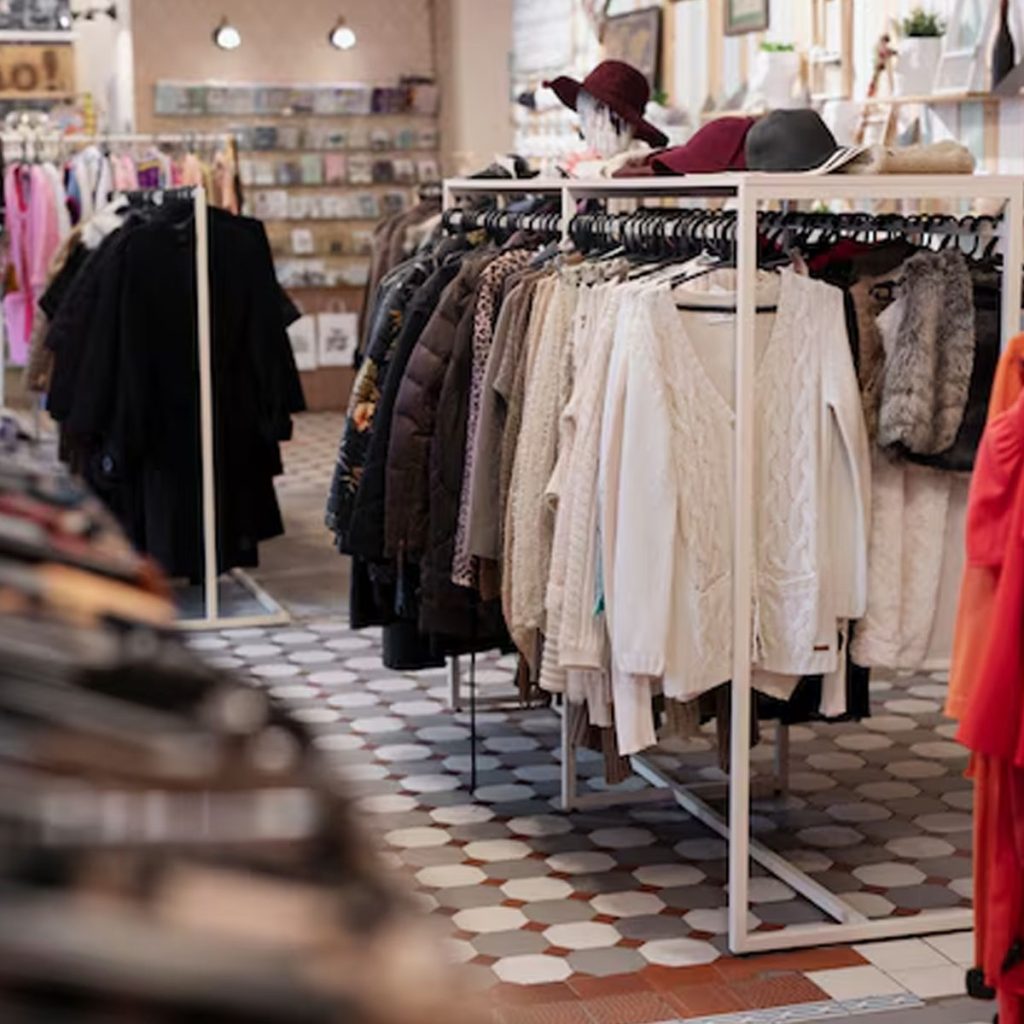
Pop-ups: Where experience beats price
In 2025, the pop-up is equal parts shop and theatre. Success is measured in TikTok loops as much as till rolls. Scarcity fuels FOMO, limited prints fly out with selfies and hashtags, and interior sets are built for shareable moments.
Strategic motives behind the hype
- Launch noise. When Topshop returned to bricks and mortar, it held a one-day Shoreditch event to dominate headlines.
- Market testing. Online-only names trial physical shelves without a lease albatross.
- Immersion. Kate Spade turned a vacant unit into a functioning pub, pint pulls included, to tell its heritage story.
- Exclusive drops. Short runs and collabs justify full retail price by promising bragging rights.
Where pop-ups cluster
- Soho and Mayfair deliver fashion footfall and high-net-worth eyeballs in equal measure.
- Shoreditch hosts edgy labs like Boxpark.
- Covent Garden offers theatre crowds and photogenic piazzas, though expect queues.
- Notting Hill suits boutique brands needing storybook streets for Instagram backdrops.
Emerging trends for the year
- Multi-sensory sets with ASMR audio and scented air.
- Shopping as fandom. Selfridges tapped Taylor Swift tour fever for limited merch.
- Resale pop-ups. Apps like By Rotation utilise temporary townhouses to promote renting over buying.
- Augmented browsing. Mixed-reality mirrors let visitors scroll extended ranges without rails.
Common pitfalls
Queues can last hours. Influencer previews mislead expectations. Always scan TikTok for real-time footage before you travel and treat promised freebies as a nice chance, never a certainty.
Scoring in a clearance sale without regret
Store closures hit 37 a day nationwide in 2024. London lost branches of Poundland, River Island and historic Daniel of Ealing. Each shuttered door spawns two distinct events: a finite liquidation or a permanent "clearance outlet" run by the chain. The first yields once-only bargains, the second is rolling marketing.
Know your legal muscle
- The Consumer Rights Act 2015 gives identical protection on the sale of goods. Faulty means refundable.
- "No refunds on sale items" signs have no power over faults. They only cover a change of mind.
- Online purchases bring a 14-day cooling-off period under the Consumer Contracts Regulations.
- If a retailer disappears, section 75 credit card protection or debit card chargeback may rescue funds.
Quick reference
| Scenario | Your right | Action |
| Faulty sale item bought in store | Refund within 30 days | Return with receipt citing Consumer Rights Act |
| Change of mind in store | No automatic right | Check goodwill policy |
| Change of mind online | Cancel within 14 days | Email seller, keep proof, post back |
| Retailer closed | Claim via card provider | Section 75 (credit) or chargeback |
Spotting fake web clearances
Scammers copy big brands, add "shop" to the URL and advertise 90% cuts. Check domain age, currency of payment and spellings. If the bargain feels ridiculous, walk away. Pay by credit card whenever possible for maximum fallback.
Timing the hunt
- Black Friday London starts mid-October and peaks on 28 November 2025. MoneySavingExpert data shows many prices rose again in December.
- Yellow-sticker groceries appear around 7 pm in Asda, one hour before closing in M&S, and after 8 pm in Aldi.
- Fortnum & Mason quietly marks fresh counters down by up to 75% after 6 pm.
Digital kit
- CHICMI flags sample sales with user photos and price lists.
- MoneySavingExpert deals diary tracks national promotions and voucher codes.
- Trolley.co.uk compares supermarket baskets.
- CamelCamelCamel and PriceSpy chart Amazon and high-street price histories, exposing fake markdowns.
Matching style to shop format
Brand-loyal pragmatist
Head to outlets. Accept lighter fabrics for steady 30-50 per cent cuts on jeans, trainers and kitchenware.
Trend-driven experientialist
Chase pop-ups for limited tees, VR try-ons and social kudos. Price rarely drops yet the story sells itself.
Patient treasure hunter
Trawl clearance racks, sample basements and genuine liquidation events. Inspect labels, trust your eye, know the law and score reductions that can touch 90 per cent.
Closing reflection
The actual economy in 2025 is informed. Study the retailer's motive, trust your senses over tag claims and keep the law in your back pocket. Shop that way and, as London cabbies say, "every little helps and every shortcut counts".
Continue Reading
All articles →Newsletter
Stay updated on Digital News