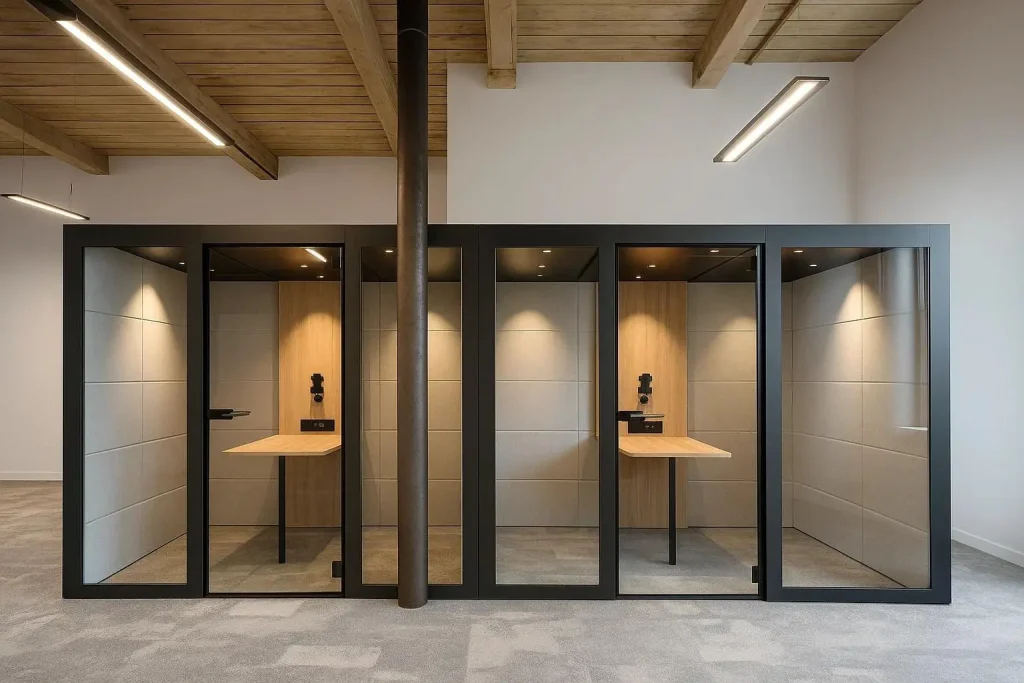
The contemporary office landscape has evolved dramatically, influenced by modern office design shifting focus from purely functional spaces to environments that nurture the complete employee experience. Organisations now understand that true success stems from supporting their workforce holistically, acknowledging that mental and physical health directly influence performance outcomes. This paradigm shift has introduced workplace wellbeing rooms as essential infrastructure rather than luxury amenities.
The Foundation of Workplace Wellness
Modern professional life presents relentless demands that frequently push employees toward exhaustion. The traditional office environment, with its constant activity and
sensory overload, leaves little opportunity for mental recuperation. Wellbeing rooms address this fundamental challenge by establishing sanctuaries within the work environment where staff can temporarily withdraw, process their thoughts, and restore their mental reserves.
These specialised areas represent more than architectural additions. They communicate organisational values, demonstrating leadership commitment to employee wellbeing and health beyond rhetoric. When companies allocate physical space specifically for wellbeing, they acknowledge that optimal performance requires regular mental maintenance, not just sustained output.
The concept encompasses comprehensive health rather than merely avoiding illness. It pursues a proactive approach where employees, including nursing mothers, actively cultivate their wellbeing, building resilience and capacity instead of simply managing symptoms or preventing breakdown.
Mental Health Support and Infrastructure
The primary function of these dedicated spaces centers on psychological support. Employees gain access to dedicated wellbeing rooms private environments where they can manage emotional challenges without observation or judgment. These rooms provide appropriate settings for processing workplace stress, handling difficult news, or simply taking necessary distance from demanding situations.
Privacy remains paramount. Staff members need assurance that seeking mental respite carries no professional consequences or social stigma. Wellbeing rooms normalise the practice of pausing during overwhelming moments, framing mental health maintenance as responsible self-management rather than weakness.
Additionally, these spaces facilitate sensitive discussions. Whether addressing performance concerns, personal struggles, or team conflicts, having neutral ground with natural light away from desks and common areas helps maintain dignity and discretion throughout challenging conversations.
Combating Stress and Preventing Burnout
Workplace pressures accumulate gradually. Persistent noise, competing priorities, and continuous connectivity erode mental stamina over time. Without intervention points, this sustained strain manifests as anxiety, reduced concentration, and eventually burnout.
Wellbeing rooms function as pressure release valves within the workday, offering:
- Escape routes from environmental stressors and workplace chaos
- Quiet zones where cognitive systems can settle and reset
- Regular opportunities for nervous system regulation
- Prevention of chronic stress states that lead to serious health consequences
Research indicates that establishing new stress management habits typically requires consistent practice over extended periods. Wellbeing rooms support this behavioral change by offering reliable, accessible spaces that contribute to a healthy work life balance, where employees can maintain healthy routines, whether brief breathing exercises, short meditations, or simply sitting quietly away from screens.
Enhancing Cognitive Performance
Contrary to assumptions about productivity loss, wellbeing rooms actually strengthen work outcomes. Mental breaks enhance job satisfaction and problem-solving capabilities by allowing subconscious processing and new perspectives to emerge.
Employees often return from these interludes with clearer thinking and renewed creative energy.
The shift in environment triggers different mental states. Removing oneself from the immediate work context frees cognitive resources previously occupied by task management. This mental space allows for deeper reflection, innovative thinking, and fresh approaches to persistent challenges.
Furthermore, voluntary breaks taken before exhaustion sets in prove far more effective than forced recovery after burnout occurs. Wellbeing rooms enable preemptive
restoration, maintaining consistently high cognitive function rather than cycling through peaks and crashes.
Physical Health Considerations
While mental health receives primary emphasis, wellbeing rooms also support physical wellbeing through thoughtful design elements:
- Ergonomic furniture that encourages movement and reduces strain from static postures
- Adjustable workstations allowing brief standing intervals
- Comfortable seating that supports proper alignment during rest periods
- Space for gentle stretching or light exercise equipment
These provisions acknowledge that physical activity reduces stress hormones and improves mood, creating synergy between mental and physical health interventions.
Regular equipment maintenance ensures these physical benefits remain consistently available, preventing the degradation that often affects underutilised facilities.
Flexibility and Future-Proofing Employee Wellbeing
Modern workplace architecture increasingly favours adaptable solutions. Many wellbeing rooms utilise modular construction, allowing organisations to reconfigure, relocate, or expand these facilities as needs evolve. This flexibility proves particularly valuable for growing companies or those operating in leased spaces.
Scalability matters as wellness initiatives mature. Starting with a single room allows organisations to assess use and employee feedback before making larger investments. Successful programs can then expand incrementally, adding capacity without requiring complete redesign.
Empowering Employee Autonomy
Providing wellbeing rooms without dictating their use respects employee agency. Staff members understand their own needs and can determine appropriate timing and
frequency for utilizing these resources. This autonomy reinforces trust and treats employees as capable adults managing their own wellbeing.
Eliminating stigma requires normalizing wellbeing room usage across organisational hierarchies. When leadership models this behavior and discusses it openly, employees feel permitted to prioritize their mental health without fear of judgment or career implications.
Inclusive Design Principles
Accessibility must inform wellbeing room planning from inception. Compliance with disability laws, regulations and considerations for air quality ensures all employees can benefit regardless of physical capabilities. This includes consideration of entry access, interior navigation, sensory accommodations, and furniture selection.
True inclusivity extends beyond legal minimums to embrace diverse needs and preferences. Organisations should seek input from employees representing different backgrounds, abilities, and circumstances to create spaces that genuinely serve the entire workforce.
Clear policies governing wellbeing rooms access and usage prevent misunderstandings while protecting employee privacy. These guidelines should emphasize availability for all office space staff while maintaining appropriate boundaries around space utilisation.
Implementation Considerations
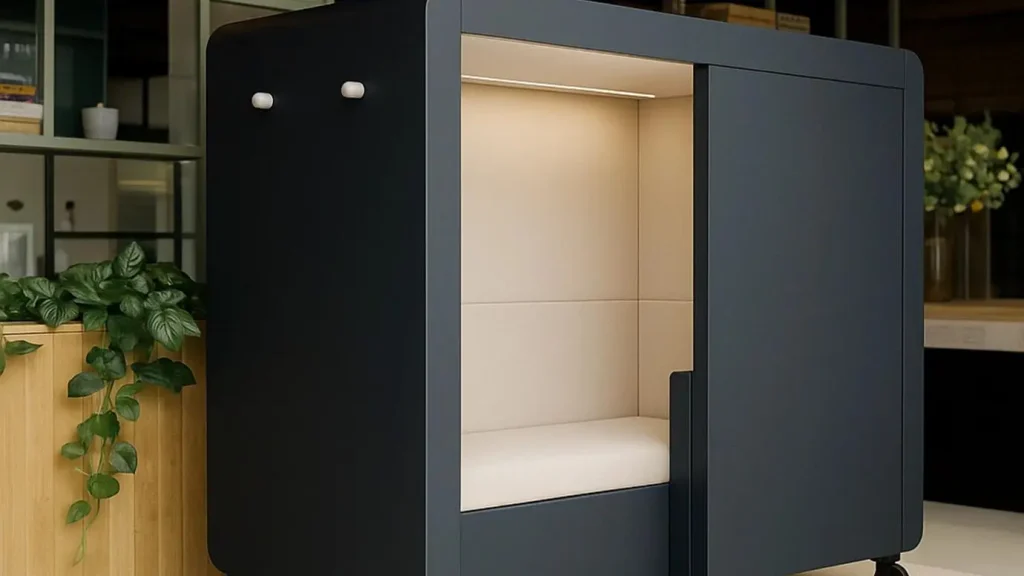
Creating effective wellbeing rooms requires thoughtful planning. Location matters significantly—spaces should be accessible yet removed from high-traffic areas. Interior design should prioritize calm through lighting choices, color selection, and acoustic treatment.
Natural elements enhance wellbeing spaces in several ways:
- Maximising daylight to boost mood and energy levels
- Incorporating plants to create calming, restorative environments
- Using organic materials that feel warm and inviting rather than clinical
- Ensuring quality air circulation and comfortable temperature control
Organisations might consider various amenities based on space and budget: meditation cushions, aromatherapy options, sound masking, reading materials, or technology for guided relaxation exercises. The goal remains creating an environment that genuinely serves employee needs rather than simply checking boxes.
Measuring Success & Employee Satisfaction
Beyond initial implementation, organisations should evaluate wellbeing room effectiveness through utilisation tracking, employee surveys, and health metrics. This data informs refinements and demonstrates return on investment through improved retention, reduced absenteeism, and enhanced employee satisfaction.
Workplace wellbeing room represent meaningful organisational commitment to employee health. By providing dedicated space for mental and physical restoration, companies invest in their most valuable resource: their people. As professional environments continue evolving, these facilities will increasingly define forward-thinking workplaces that understand sustainable performance requires supporting the whole person.
Continue Reading
All articles →Newsletter
Stay updated on Digital News